Clean Clothes Are Quietly Polluting Marine Life Worldwide, But There Are Many Solutions
Every wash cycle scrubs more than dirt from clothes. It also shakes loose microscopic fibers that slip past plumbing and into rivers and seas. Synthetic fabrics are the main culprit. During laundering, polyester, nylon, and acrylic shed plastic threads small enough to evade most wastewater treatment, One5C reports.
These fibers accumulate in marine food webs. Fish and invertebrates mistake them for food. The impacts ripple outward.

Microfibers are one of the largest sources of ocean microplastics.
Choose Fabrics That Shed Less
What you wash matters as much as how you wash it. Synthetic garments release plastic with every cycle, while natural fibers break down more readily in the environment, according to The Commons. Tighter weaves shed less. Loose polyester fleece sheds more.
Secondhand clothing helps too. Clothes lose the most fibers in their earliest washes, One5C reports.

Most washing machines do not filter microplastics.
Wash Smarter, Not Harder
Cold water reduces fiber loss. Heat weakens plastics and increases shedding. Full loads matter too. More fabric and less water means less friction.
Skip the delicate cycle. It uses more water and releases far more fibers per wash, according to research cited by SFGATE.
Trap Fibers Before They Escape
Aftermarket filters and wash-in tools can catch fibers upstream. External filters remove a significant share before wastewater leaves the home, while wash bags and laundry balls offer partial protection for renters, The Commons reports.
Captured lint belongs in the trash, not the drain.

Polyester fleece is a major microfiber source.
Rethink the Dryer
Dryers shed too. Heat and tumbling release fibers into indoor air, One5C reports. Air-drying avoids that pathway and cuts energy use.
When a dryer is necessary, skip single-use sheets. Reusable wool options like Free the Ocean dryer balls replace polyester sheets and last for years.
Clean Without Adding More Plastic
Detergent packaging counts. Liquid jugs and pods add plastic to the system, while powders, bars, and some strips reduce it, SFGATE reports. Some dissolvable films rely on plastic binders, which remains controversial.
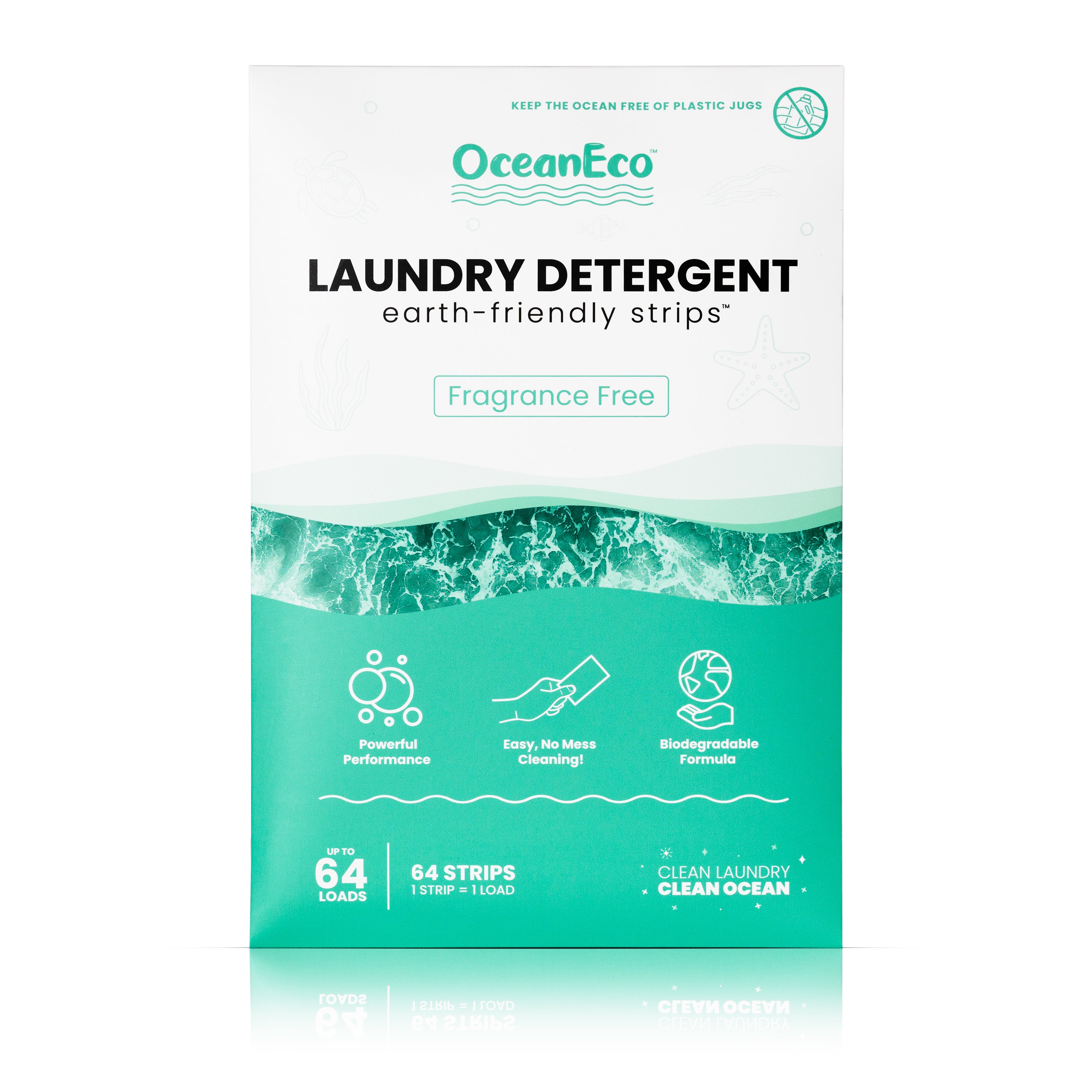
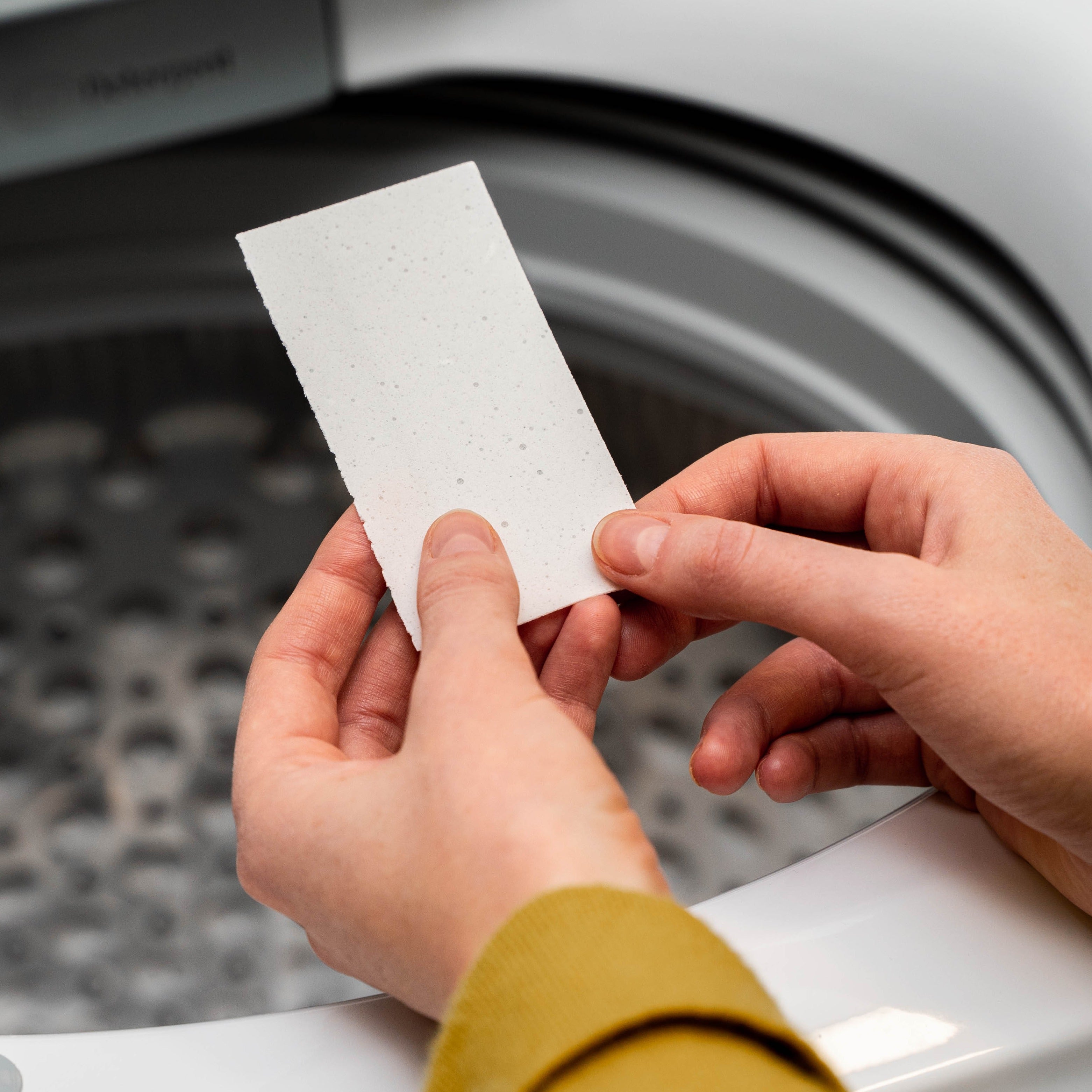
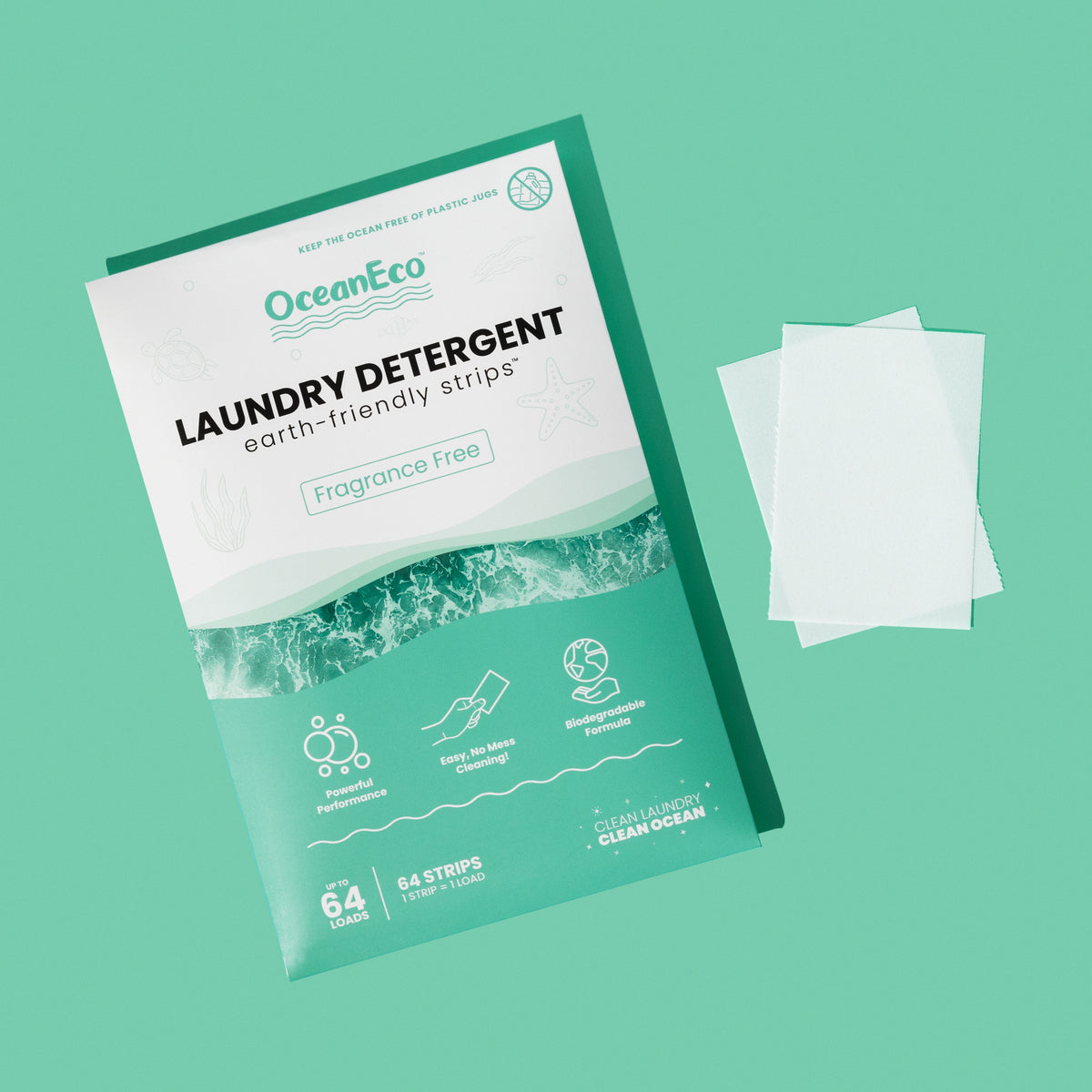
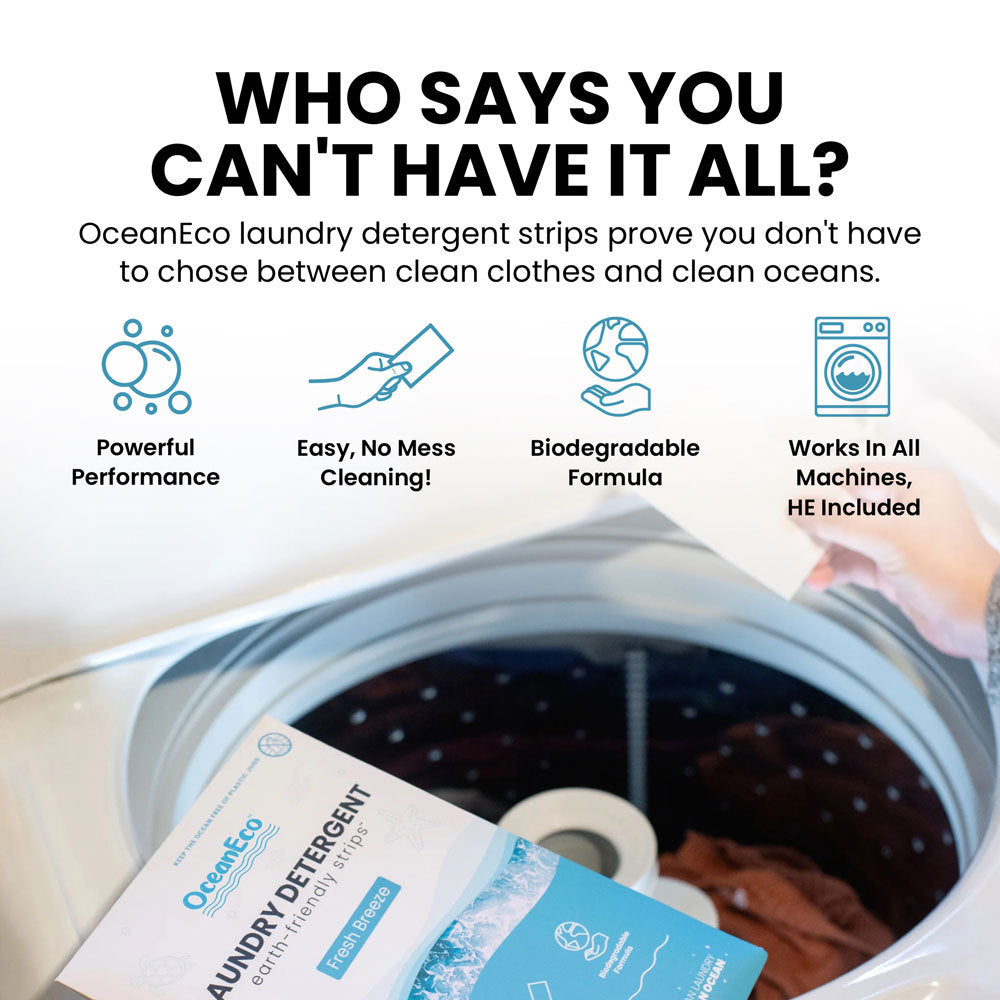
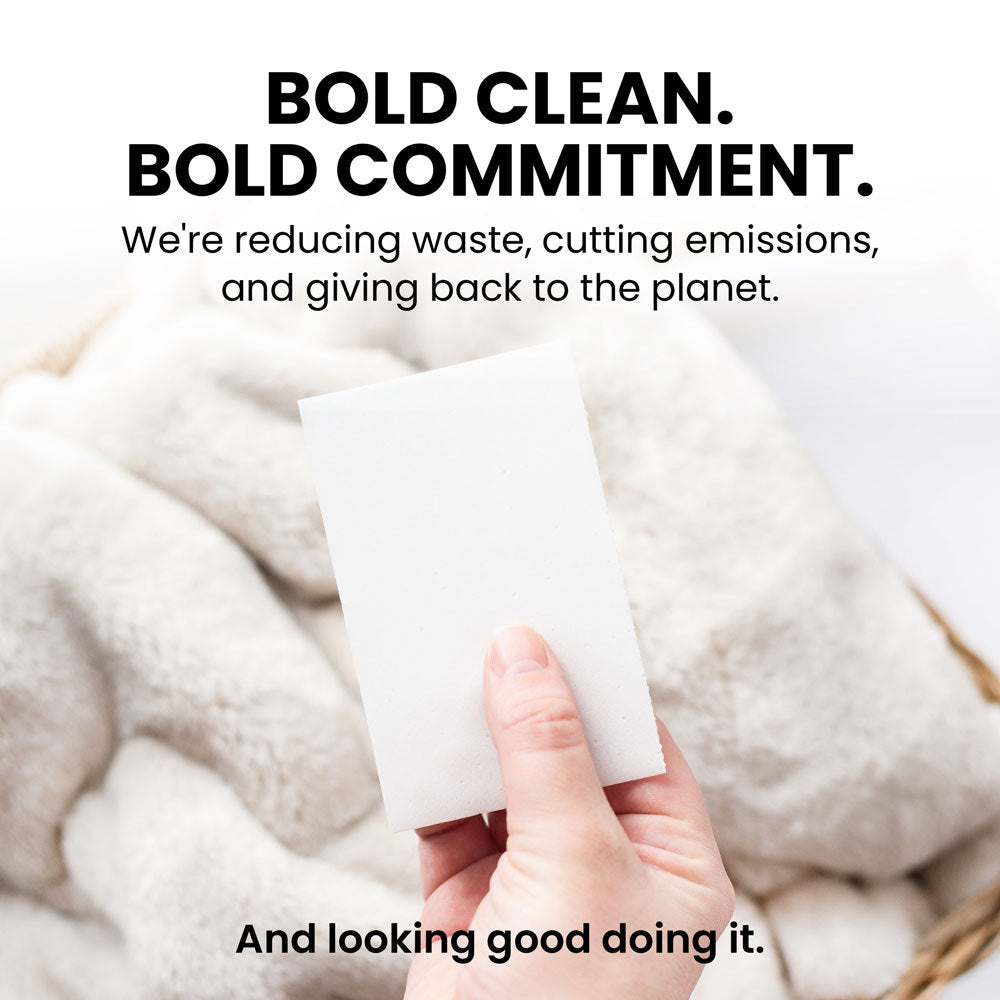
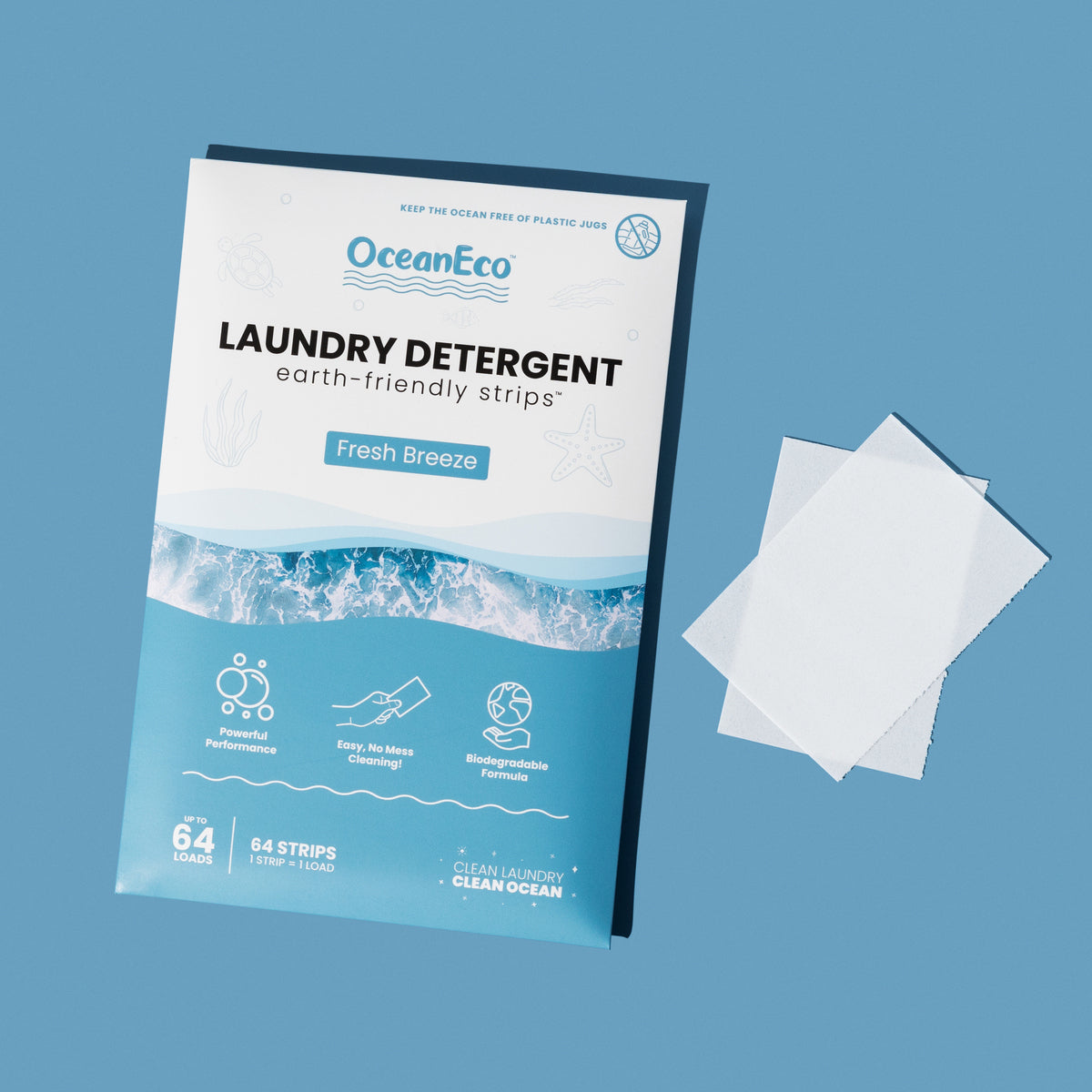
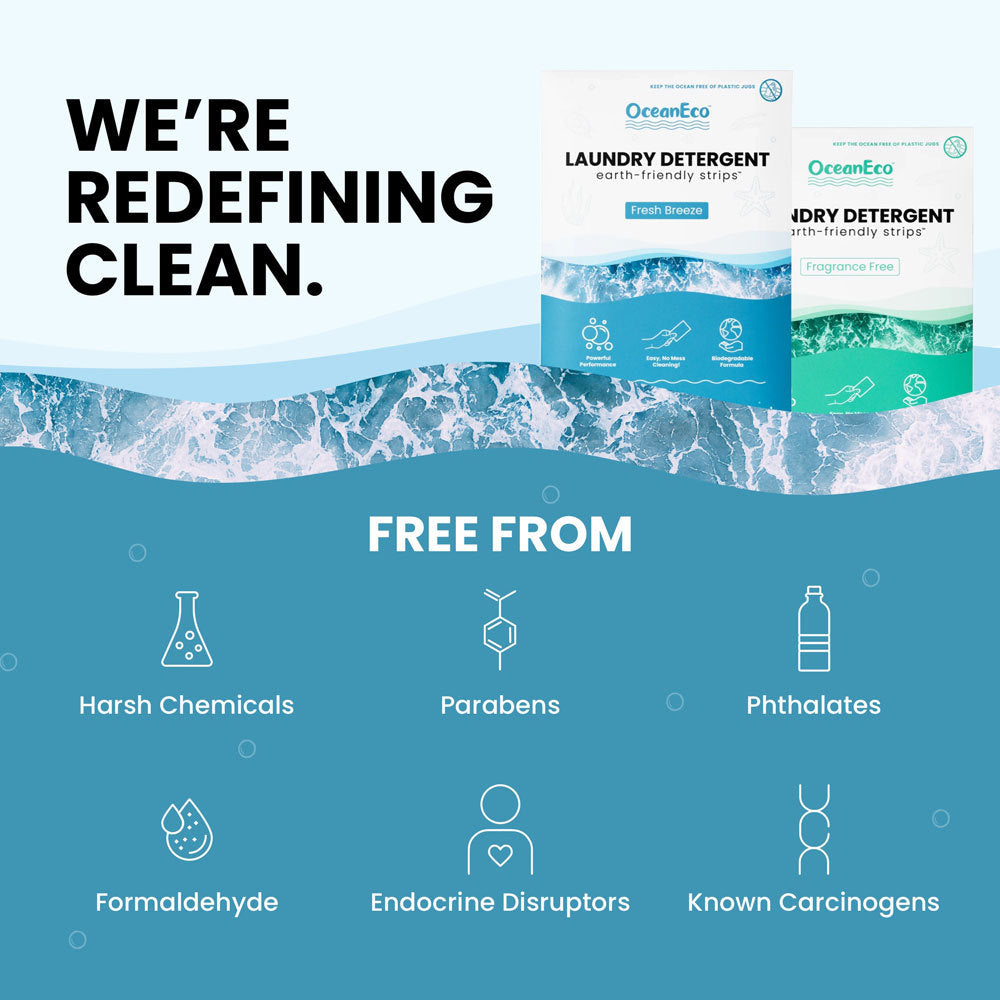
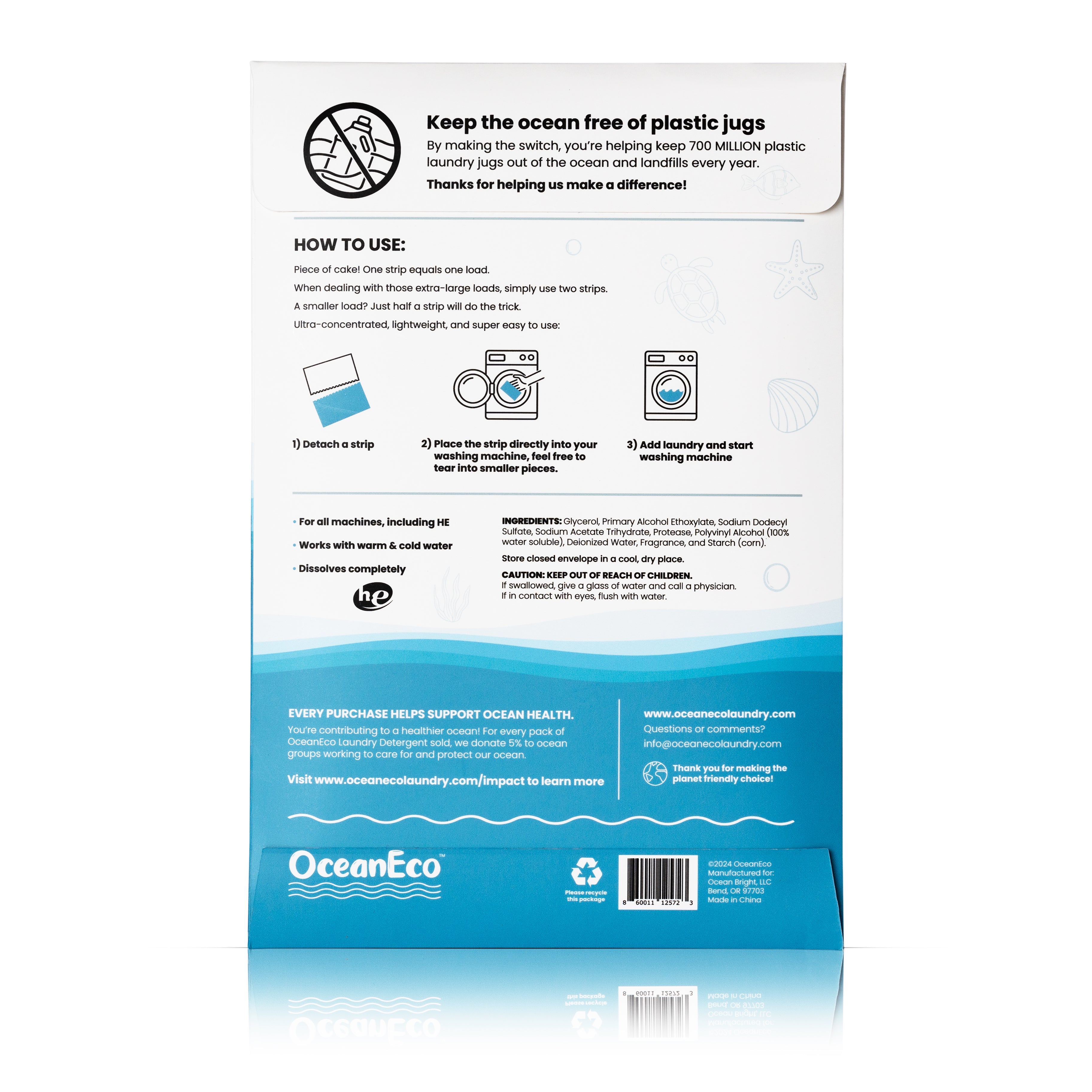
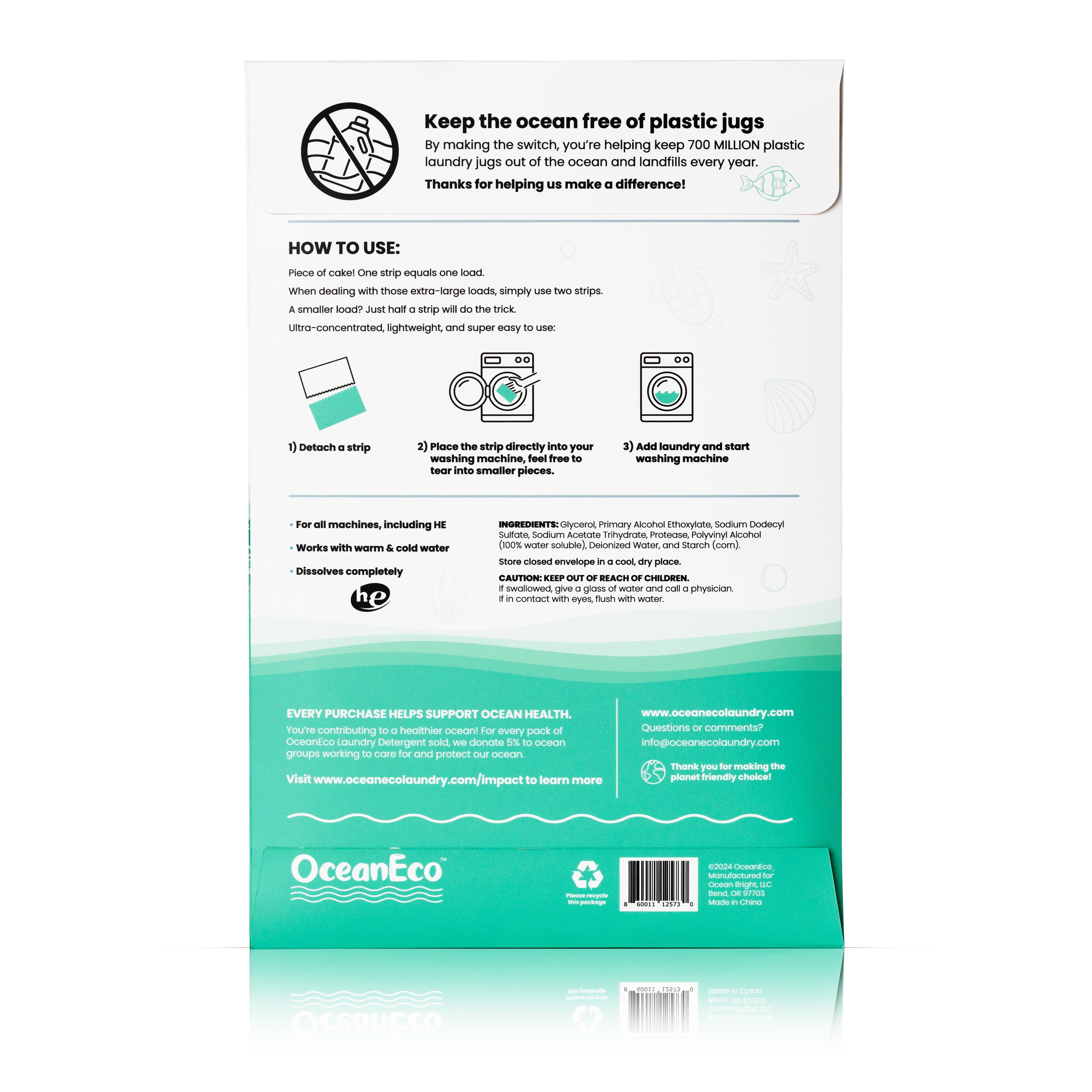
Plastic-free tools can fill the gaps. OceanEco Earth laundry strips avoid jugs. A bleach alternative oxygen brightener lifts stains without chlorine. A solid stain stick replaces spray bottles.
Together, these alternatives slow the flow of plastic from the wash to the sea.